
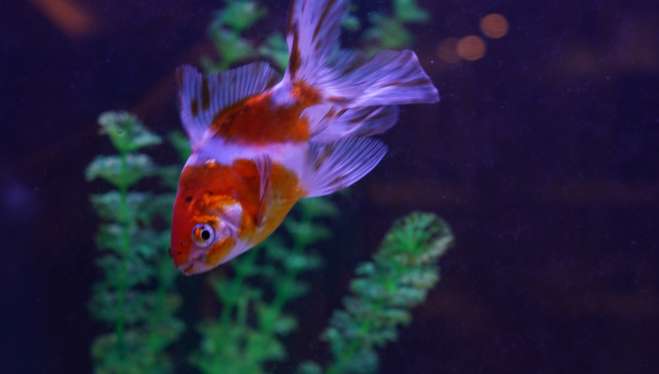
Sustainable aquascaping is an increasingly popular approach among enthusiasts who desire a beautiful, healthy, and environmentally friendly aquarium. With a few simple adjustments, you can reduce waste of water, energy, and chemicals, while also improving the well-being of your fish and plants.
In this guide, you will discover how to make your aquarium more efficient, balanced, and sustainable.
Why choose a sustainable aquarium?
A well-managed aquarium is not only aesthetically pleasing but also represents a small, balanced ecosystem. Reducing consumption means:
-
Less water waste
-
Lower electricity consumption
-
Reduction of chemical products
-
Better quality of life for fish and plants
-
Long-term economic savings
Sustainability in aquascaping does not require large investments, but rather conscious choices and intelligent management.
Saving water and energy: the basics
One of the most important aspects of sustainable aquascaping is the correct management of water changes and energy consumption.
Smart water changes
It is not necessary to replace large quantities of water every week. In many cases, it is sufficient to:
-
Change 20–30% of the water at a time
-
Adjust frequency according to actual water values
-
Avoid excessive changes that destabilize the biological balance
Monitoring nitrates, pH, and hardness helps you understand when to intervene.
Efficient lighting
Lighting greatly affects electricity consumption. To reduce its impact:
-
Use low-consumption LED lamps
-
Set a timer to avoid unnecessary hours of light
-
Adjust lighting duration to plant needs
Correct lighting also limits algae proliferation, reducing the need for interventions and corrective products.
Choosing the right fish and plants
A sustainable aquarium starts with its design.
Natural plants: less algae and fewer chemicals
Real plants:
-
Absorb excess nutrients
-
Compete with algae
-
Improve water quality
-
Reduce the need for chemicals
A well-balanced planted aquarium is more stable and requires less intervention.
Compatible and well-chosen fish
Choosing species suitable for the tank size and compatible with each other means:
-
Less stress for the animals
-
Fewer diseases
-
Less medication and treatments
-
Less organic waste production
The correct number of specimens prevents overcrowding and imbalances in water values.
Every detail counts
Small daily actions can make a difference:
-
Do not overfeed the fish
-
Clean the filter without destroying the bacterial flora
-
Avoid unnecessary energy-intensive accessories
-
Plan regular but non-invasive maintenance
Stability is the key to a healthy ecosystem.
Transform your aquarium into a small sustainable ecosystem
An aquarium is not just a decorative element: it is a living system that can be managed responsibly. With conscious choices and smart maintenance, you can reduce consumption and waste, while also improving the biological balance of your tank.
Investing in sustainability means creating a healthier environment for your fish and contributing, in your own small way, to environmental protection.