
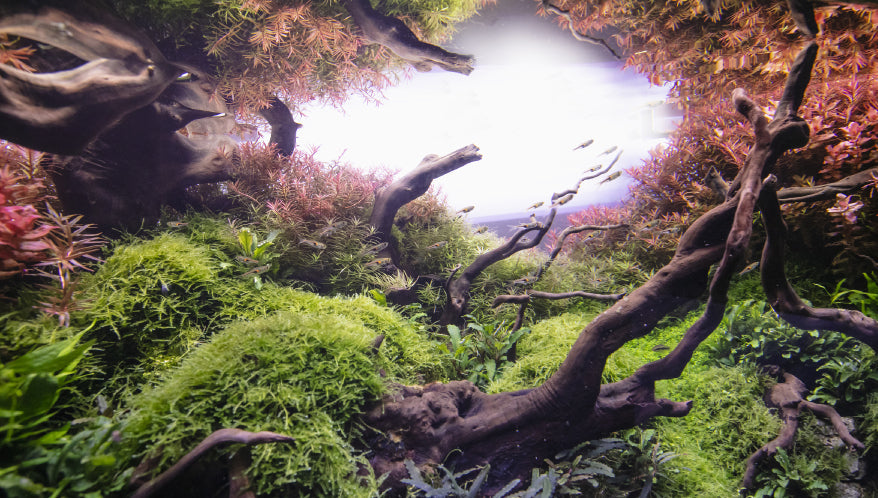
Do you want to get into the world of aquariums but don't know where to start? In this practical guide, you'll discover everything you need to set up a freshwater aquarium, choosing the right materials, creating a natural environment, and ensuring the well-being of your fish. Follow our tips to transform your passion into a living, harmonious ecosystem right in your home!
Creating a freshwater aquarium is not just a hobby, but an experience that allows you to bring a piece of nature into your home. Observing a miniature ecosystem, with plants growing and fish swimming harmoniously, brings a sense of peace and connection with the environment. But how do you start?
If it's your first time in the world of aquaristics, you might think setting up an aquarium is complicated. In reality, with the right information and a little patience, everything becomes simpler. This guide will walk you through it step by step, helping you create a balanced, natural, and healthy aquarium.
1. Choosing the Right Aquarium and Where to Place It
The first step is to decide on the tank size. For a beginner, an aquarium of at least 60 liters is the ideal choice, as the larger the water volume, the more stable the ecosystem will be. An aquarium that is too small is more difficult to maintain, because any variation in water parameters can have immediate effects on the inhabitants.
In addition to size, it's important to identify the perfect location. The aquarium should be placed on a stable surface, away from windows that allow direct sunlight, thus preventing excessive algae growth. Also avoid areas with too many temperature fluctuations, such as near radiators or air conditioners.
2. Creating a Natural Base: Substrate and Decorations
To ensure plant growth and environmental stability, the substrate plays a fundamental role. It's not enough to fill the tank with water: you need to create a bottom that reproduces a natural environment.
The first layer of the substrate should be a fertile substrate, which will provide essential nutrients to the plants. On top of it, you can add fine gravel or natural sand, which not only improves the aesthetics of the aquarium but also helps keep the water clearer.
To give your aquarium an even more natural touch, you can add wood and rocks. They are not just decorative elements, but they offer hiding places for fish and promote the growth of beneficial bacteria. Make sure the materials are aquarium-safe and free of harmful substances.
3. Filling the Aquarium with Treated Water
After arranging the substrate and decorations, it's time to add water. The ideal is to fill the aquarium slowly, perhaps by pouring the water onto a plate to avoid disturbing the substrate.
Tap water, however, is not immediately suitable for fish. It contains chlorine and heavy metals that can be harmful. Therefore, before introducing any life forms, it is essential to treat the water with a water conditioner, which will remove these substances, making it safe.
4. Installing the Filter and Heater
The filter is the heart of your aquarium: it keeps the water clean, removes debris, and allows beneficial bacteria to establish themselves. For a freshwater aquarium, you can choose from various internal filters; we recommend AQPet BioBox, which is easy for beginners to manage.
If you plan to keep tropical fish, you will also need a heater, as the water temperature will need to be maintained between 24°C and 26°C. A small adhesive thermometer will help you monitor the temperature daily.
5. Adding Plants for a Natural Ecosystem
Aquatic plants are not just decorative elements: they help oxygenate the water, reduce nitrate levels, and provide shelter for fish. Choose easy-to-maintain plants, such as Anubias, Cryptocoryne, or Egeria densa, perfect for beginners.
Planting requires delicacy. Some should be anchored to the substrate, while others can be tied to wood or rocks. The important thing is to position them harmoniously, creating depth and natural hiding places for the fish.
6. Waiting for the Nitrogen Cycle: The Secret to a Stable Aquarium
Many beginners make the mistake of adding fish immediately, but a newly set up aquarium needs at least 3-4 weeks of maturation. This time is needed to activate the nitrogen cycle, a fundamental biological process that transforms toxic substances (like ammonia) into less harmful compounds.
During this period, monitor water parameters with specific tests and, if necessary, use a bacterial activator to speed up maturation.
7. Introducing Fish: Which Are Best to Start With?
Finally the long-awaited moment: adding the fish! But which ones to choose? Some species are hardier and suitable for beginners:
- Guppy – Hardy and colorful, perfect for novices.
- Neon Tetra – Small, peaceful, and suitable for living in groups.
- Corydoras – Bottom feeders, ideal for keeping the aquarium clean.
The introduction should be gradual: introduce a few fish at a time, letting them slowly get used to their new home.
8. Maintaining a Healthy Aquarium
An aquarium is a small ecosystem that requires constant care. Changing 20-30% of the water every week will help maintain biological balance and prevent the accumulation of harmful substances.
Regularly cleaning the filter (without ever washing it with tap water to avoid eliminating beneficial bacteria) and monitoring the water temperature and chemical parameters are fundamental actions to ensure the well-being of your fish.
9. Enjoy Your Corner of Nature
You have followed all the steps and now your aquarium is ready to become a living part of your home. Observing the harmonious movement of the fish, seeing the plants grow, and knowing that you have created a small ecosystem is a unique satisfaction.
Bringing nature into your home means creating a perfect balance of beauty, relaxation, and life. AQPet is here to guide you on this journey and offer you the best products to make everything easier.
Discover our aquarium accessories and products on AQPet.it and start your aquarist journey today!